Table Of Content
Shed strands can be hard to see even against a contrasting background. Fine hair is difficult to feel or it feels like an ultra-fine strand of silk. An abundance of eumelanin makes hair black, a moderate amount of eumelanin makes hair brown, and very little eumelanin makes hair blonde.
What are the common conditions that affect hair follicles?
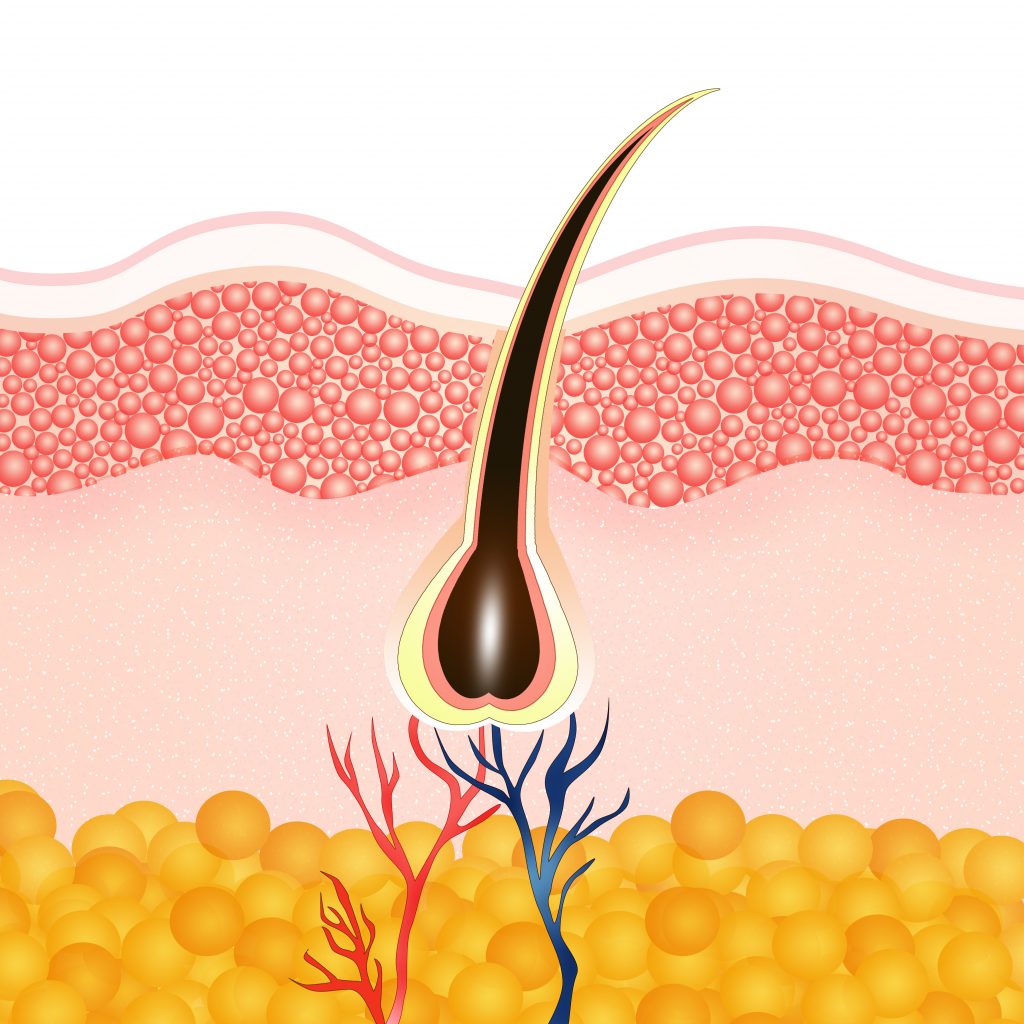
A hair follicle consists of two main layers, an inner (epithelial) root sheath and an outer (fibrous) root sheath. At the base of the hair follicle is the hair bulb, which houses the dermal papillae and hair matrix cells. More specifically, the hair matrix keratinocytes proliferate to form the growing hair shaft while the dermal papilla regulates the hair’s growth and the inner root sheath provides a tube shaped channel for the hair. It is formed from dermal connective tissue, supplies blood to the epithelial sheath and holds undifferentiated hair stem cells. The cells of the hair follicle actively change during the growth cycle of a hair. It begins at the surface of the epidermis and extends to the opening of the sebaceous duct.
A cytoskeleton structure revealed by super-resolution fluorescence imaging in inner ear hair cells Cell Discovery - Nature.com
A cytoskeleton structure revealed by super-resolution fluorescence imaging in inner ear hair cells Cell Discovery.
Posted: Tue, 19 Feb 2019 08:00:00 GMT [source]
Grey's Anatomy: B-Team
The rest of the hair is anchored in the follicle and it lies below the surface of the skin. The hair root is enveloped by the hair follicle which is a skin appendage that lies deep in the dermis of the skin. The hair shaft is the visible, nongrowing portion of a hair protruding from the skin. In this chapter, the basic anatomy and the amazing and complicated biology of the hair follicle is reviewed.
Structure
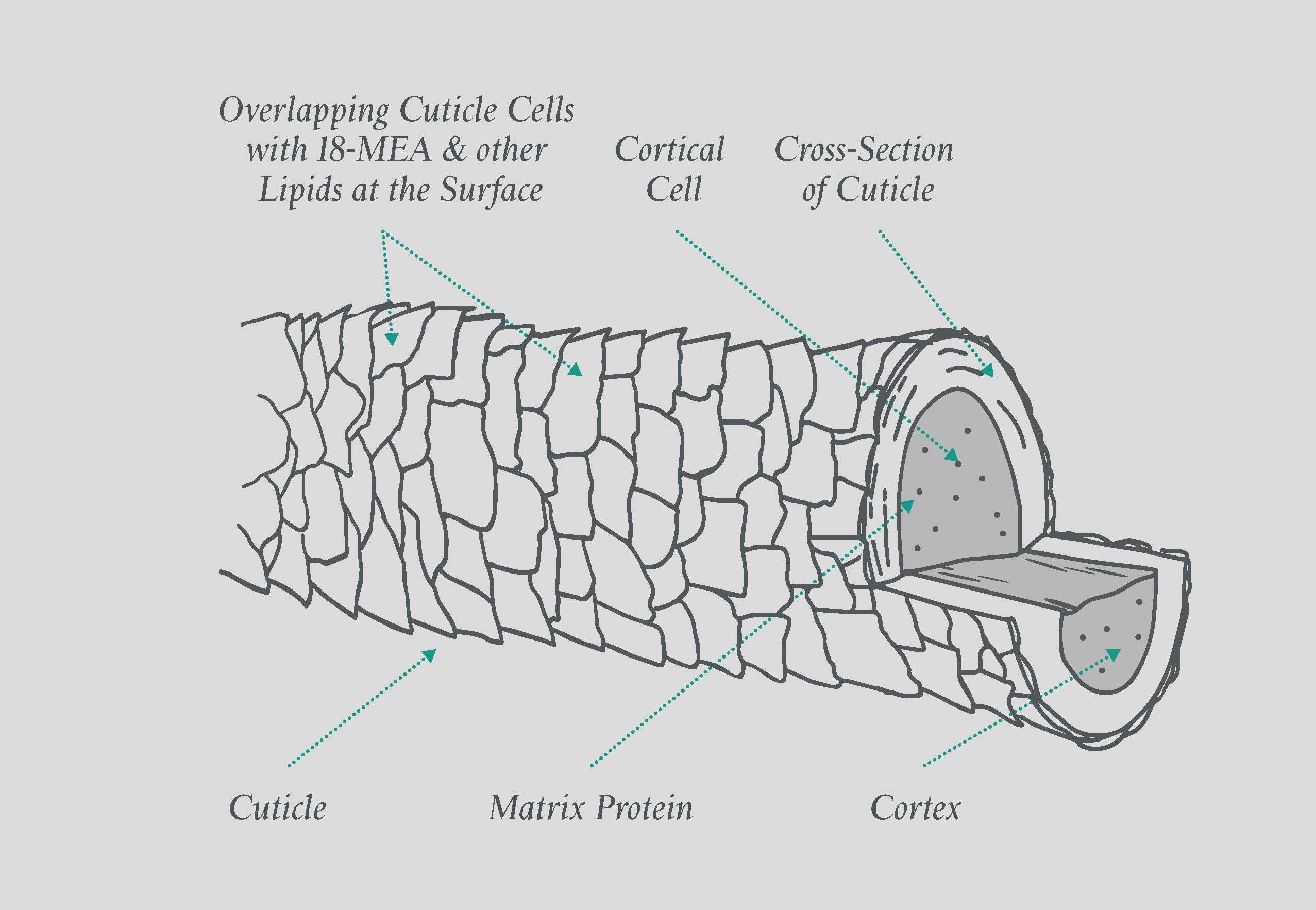
The common meridional signal along the long axis of the hair (qz) at 5 Å corresponds corresponds to the α-helices twisting around each other within coiled-coils. The hair strands were oriented with the long axis of the hair parallel to the vertical z-axis. The (q∥, qz)-range shown was determined in preliminary experiments to cover the features observable by X-ray diffraction. The measurements cover length scales from about 3–90 Å to study features from the coiled-coil α-keratin phase, keratin intermediate filaments in the cortex, and the membrane layer in the membrane complex. While common features can easily be identified in the 2D plots, subtle differences are visible, which are discussed in detail in the text. The majority of hair fibre is the cortex which contains spindle shaped cells that lie parallel along the fibre axis.
Structure and Function
In the deepest portion of the each hair follicle lies the hair bulb. It is supplied with nutrients via blood by a structure called the hair papilla. Here, stratum basale epithelial cells divide via mitosis to form the hair. Next is the telogen or resting phase of the hair cycle, in which the hair follicle is dormant, and growth of the hair shaft does not occur. About 10 to 15% of all hairs on the body are in this resting phase at any given time and can remain in this state for a variable amount of time, depending on the location of the hair - from a few weeks for eyelashes to nearly one year for scalp hair.
All hair used in this study was in its native state, collected from healthy individuals and not chemically treated prior to the experiments. However, all individuals regularly used shampoos for cleaning and additional products such as conditioners, wax and gel. These products function primarily at or near the fiber surface to remove dirt from the hair surface, for instance, and do not seem to have an impact on the internal keratin structure, as will be discussed below. The fitting process is performed on both the 1-dimensional qz and the q‖ data produced from integration. Distinguishable peaks were observed and fitted with the least numbers of Lorentzian peak functions with an exponential decay background of the form (a⋅qb + c) in the first run.
The Biology, Structure, and Function of Hair
If you have conditions like alopecia or balding, you might wonder if it’s possible to stimulate a hair follicle to regrow hair. At the base of the hair, the hair root widens to a round hair bulb. The hair papilla, which supplies the hair root with blood, is found inside the bottom of the hair bulb. New hair cells are constantly being made in the hair bulb, close to the papilla. The arrector pili muscle, a tiny bundle of muscle fiber, is attached to the outer sheath.
Outer root sheath
This becomes the hair papilla once it invaginates into the hair bulb. The 3 innermost layers of epithelial cells within the hair follicle keratinize to produce the hair shaft. The mass of cells from which the hair shaft is produced is referred to as the hair matrix. The molecular structure of the hair samples was studied using high-resolution X-ray diffraction, which covers length scales from molecules up to the organization of secondary structures. Signals due to the coiled-coil phase of α-helical keratin proteins, intermediate keratin filaments in the cortex and from the lipid layers in the cell membrane complex were observed in the specimen of all individuals, with very small deviations. Despite the relatively small number of individuals (12) included in this study, some conclusions can be drawn.
How Do Hair Follicles Function?
During the week, you’ll find her rocking cuts and colors in a salon, but she admits that the beauty that surrounds a wedding day is a type of magic that can’t be found anywhere else, and she loves that she can use her talents to add to that beauty. Born and raised in Ventura, Destinee spends her free time at the beach, at concerts, and soaking up all SoCal has to offer. Two-dimensional X-ray data of all 12 subjects investigated in this study. Data are provided as 2-dimensional matrices in Matlab format (‘subject1.mat’). The file ‘PeerJ_load_data.m’ is a Matlab macro to load and visualize the 2-dimensional data sets.
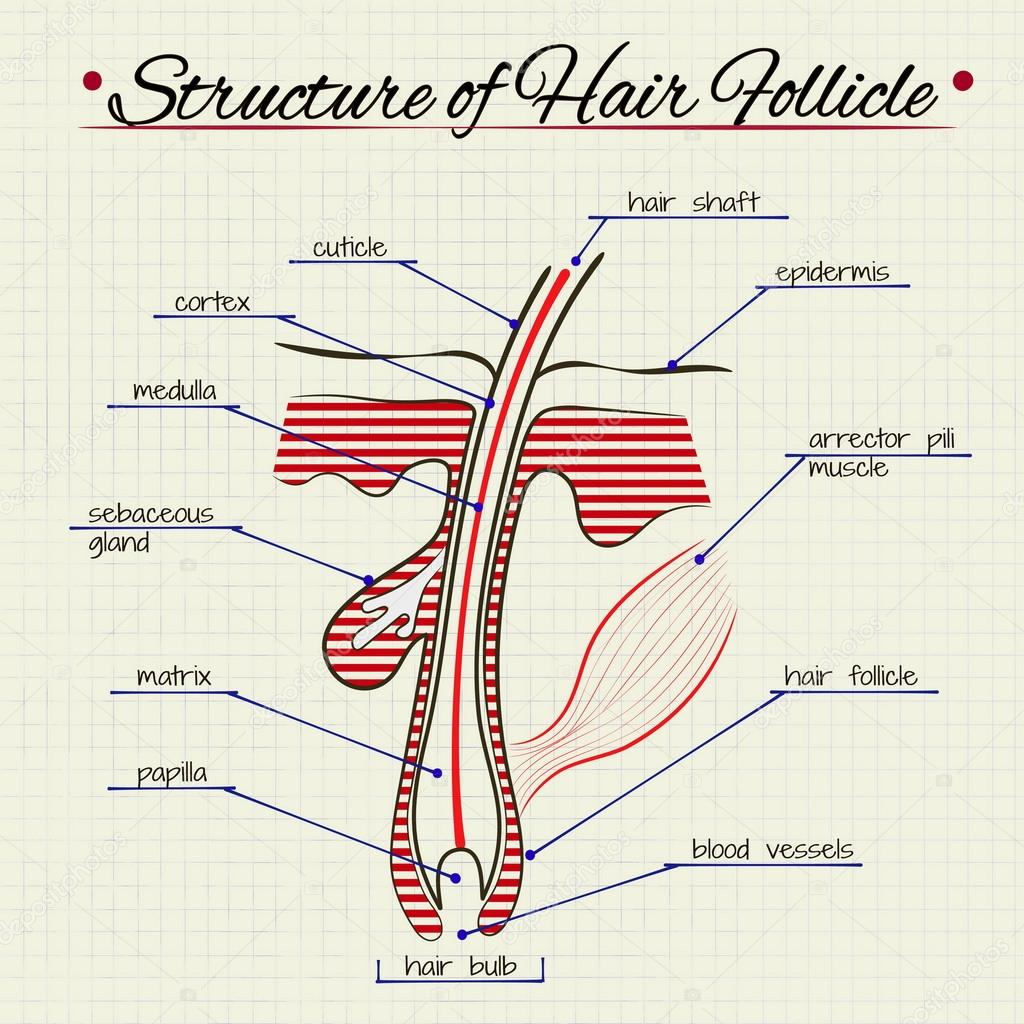
Additionally, the hair follicle contains an inner and outer root sheath. As more cells are created, the hair grows out of the skin and reaches the surface. Sebaceous glands near the hair follicles produce oil, which nourishes the hair and skin.
This can be attributed to the fact that the expression of a complex trait such as hair structure would depend on the inheritance pattern of many phenotype-determining genes, such as whether they are dominant or recessive traits. Genetic similarity does not guarantee identical hair structure and similarly, genetic variability does not guarantee differences. While we can report this finding, the small number of related samples excludes a more detailed and quantitative analysis of this effect at this time. Details of gender and appearance of the hair strands are listed in Table 1. About 10 strands were cut from the scalp, glued onto a sample holder and aligned in the X-ray diffractometer.
Since its inception, the show has been described by the media outlets as a television "phenomenon" or a "juggernaut", owing to its longevity and dominant ratings. The cast members have also received accolades for their individual performances. We note that in order to maximize the scattered signals, the entire hair strand was illuminated in our experiments using a relatively large X-ray beam. Microbeam X-ray diffraction on synchrotron sources, which uses small, micrometre sized beams (Iida & Noma, 1993; Busson, Engstrom & Doucet, 1999; Kreplak et al., 2001b; Ohta et al., 2005; Kajiura et al., 2006), gives a high spatial resolution. By illuminating selective parts of the hair, the occurrence of the signals that we observed can be determined as a function of their location within the hair in future experiments.
During anagen, melanogenesis is activated in the hair bulb and suggests that hair follicle melanocyte autoantigens play a key role as potential immune targets [28, 31]. Large melanocytes occur within the hair follicle, allowing melanin to be incorporated into the hair shaft. Although the factors are largely unknown, active hair growth (ie, the anagen phase) halts, and the catagen phase begins. The isthmus is the shortened segment of the hair follicle, extending from the attachment of the erector pili muscle (bulge region) into the entrance of the sebaceous gland duct. At this level, the IRS fragments and exfoliates, and the ORS is fully keratinized (trichilemmal keratinization). It is made up of several protrusions and crests and contains cells with pluripotent capabilities.
The hair is gradually pushed out of the skin and eventually falls out. At the bottom of the follicle, a piece of tissue called the papilla contains tiny blood vessels (capillaries). The follicle also contains the germinal matrix, where cells produce new hairs.
The total scattering profile was well fit by two Lorentzian peak profiles (and a background), whose positions is plotted in Fig. The signals at 5.0 Å and 9.5 Å are in excellent agreement with signals reported from coiled-coil keratin proteins (Pauling & Corey, 1950), as depicted in the Figure. The broad signal at about 4.3 Å present in both directions is due to the ring-like scattering from the lipids in the membrane component. Hair development is a continuous cyclic process and all mature follicles go through a growth cycle consisting of growth (anagen), regression (catagen), rest (telogen) and shedding (exogen) phases (Figure 3). The duration of the phases changes based on the location of the hair and also personal nutritional and hormonal status and age [15, 33].


No comments:
Post a Comment